
Translations are automatic (Google Translate) and may contain errors. English is the original.
What Are Gallstones?
Gallstones are small, solid stones that form inside the gallbladder, a small organ under your liver that stores bile. Bile helps digest fat.¹ Stones may also move into the bile ducts, which connect the liver, gallbladder and pancreas.¹
Types of Gallstones
- Cholesterol stones– the most common type in South Africa¹
- Pigment stones– formed from bilirubin and often associated with infections or bile duct disease²
Sizes range from grains of sand to larger stones, and you may have one or many.¹
Symptoms
Many gallstones are silent and cause no symptoms. Symptoms develop when a stone blocks a bile duct.¹
Typical symptoms (biliary colic)
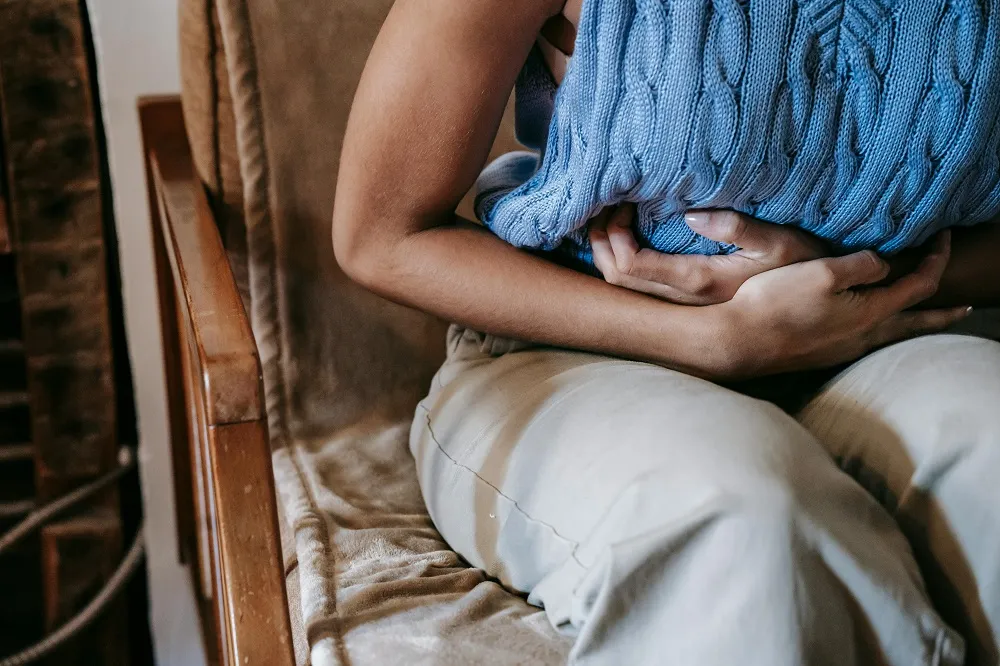
- Sudden pain in the upper right abdomen
- Pain spreading to the right shoulder or back
- Pain lasting 30 minutes to several hours¹
- Nausea or vomiting¹
- Pain triggered by fatty or oily meals²
When to seek medical advice
- Pain lasting longer than 30 minutes
- Repeated pain after eating
- Pain affecting eating or drinking¹
Seek urgent care if you have:
- Severe or persistent abdominal pain
- Pain with vomiting
- Fever, chills, sweating²
- Jaundice– yellow eyes/skin, pale stools, dark urine¹
These may indicate inflammation, pancreatitis or a blocked bile duct — all requiring urgent treatment.²
Causes and Risk Factors
Gallstones form when bile becomes imbalanced.¹ Risk increases with:
- Age over 40¹
- Female sex (oestrogen effect)¹
- Overweight or obesity²
- Rapid weight loss or fasting²
- Pregnancy
- Diabetes¹
- High-fat, low-fibre diet³
- Family history³
- Digestive conditions such as Crohn’s disease¹
How Gallstones Are Diagnosed
- Abdominal Ultrasound
Most accurate first investigation.¹
- Blood Tests
Check liver function and infection.³
- Additional tests if needed:
- MRCP(MRI of bile ducts)²
- CT scan
- HIDA scan– less commonly used locally.³ It involves the injection of a radioactive dye intravenously so that the gall bladder and bile ducts can be visualised with imaging.
- ERCP– used to diagnose or remove stones in the bile duct⁴ The procedure is described below.
Treatment Options
If you have no symptoms
No treatment is needed for most silent gallstones.¹
If you have symptoms
Diet & lifestyle changes
- Reduce oily, rich or fried foods
- Eat smaller, regular meals²
- Increase fibre (fruit, vegetables, whole grains)³
- Maintain a healthy weight
- Avoid rapid weight-loss diets²
These adjustments may improve symptoms, and prevent the development of new stones but will not remove stones.¹
Medication & pain relief
- Paracetamol or ibuprofen
- Short-term stronger pain relief if needed¹
Medicines to dissolve gallstones are rarely used in South Africa.³
Surgery – Cholecystectomy
The most effective treatment for symptomatic gallstones.¹
- Usually done as laparoscopic (keyhole) surgery⁴
- Same-day or next-day discharge common
- Open surgery is used in complex or inflamed cases⁴
Life without a gallbladder is normal — bile flows directly to the intestine.
Treating stones in the bile duct
ERCP may be used to remove these:
- Camera passed via the mouth to the small intestine
- Bile duct opening widened
- Stones removed⁴
Possible Complications
Although not common, gallstones can cause:
- Cholecystitis— inflamed gallbladder (pain, fever, vomiting)¹
- Pancreatitis— inflammation and enzymatic destruction of the pancreas causing intense pain spreading to the back²
- Choledocholithiasis— stones blocking the bile duct⁴
- Cholangitis— infection of the bile ducts (fever + jaundice + pain)⁴
These require urgent medical attention.
Preventing Gallstones
Ways to reduce risk:
- Eat a balanced, low-fat, high-fibre diet³
- Avoid rapid weight changes²
- Maintain a healthy weight
- Stay physically active
Disclaimer
This brochure is for educational purposes only and is not intended to provide a diagnosis or treatment or replace the advice of your doctor, pharmacist, primary health care nurse or other health care provider. You are advised to discuss any questions or concerns you have with your health care provider.

Medical references
¹ South African Department of Health – Clinical guidelines for digestive diseases (National DOH)
² SAMRC (South African Medical Research Council) – Digestive health & epidemiological data
³ Health Systems Trust – SA Health Review – Chapters on NCDs, surgery, digestive health
⁴ South African Gastroenterology Society (SAGES/SASGE) – Clinical practice guidelines
⁵ NICD – Gastrointestinal disease guidance
⁶ UCT Health Sciences Faculty – Local research on biliary disease & gallbladder surgery
⁷ Wits University WIReDSpace – Clinical studies on gallstone-related hospital admissions
This referenced content has been reviewed by Dr Helen Sammons, who is a qualified medical doctor with extensive experience in the private healthcare sector of South Africa, particularly in the disciplines of general practice.

This page is for general information and isn't a substitute for advice from a doctor who knows your history. If you're worried about your health, speak to your GP. In an emergency, call 10177, or 112 from a mobile.