
Translations are automatic (Google Translate) and may contain errors. English is the original.
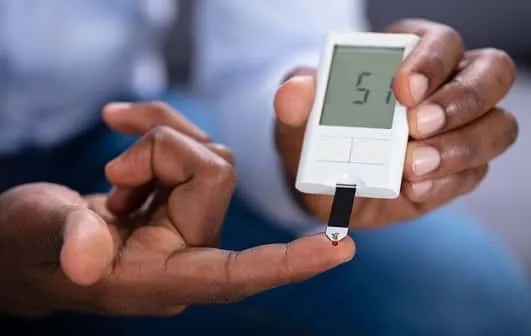
- Knowing how to test your blood sugar (blood glucose) yourself is a key skill for managing your diabetes; it’s a straightforward process that quickly becomes part of your daily routine.
- Regular testing shows if your medication is keeping your blood sugar within normal range, and helps you avoid blood sugar levels that are abnormally high (hyperglycaemia) or abnormally low (hypoglycemia).
- Testing also indicates how your blood sugar levels are impacted by your lifestyle and biology: mainly diet and physical activity, but also factors like stress, travel, when you have an infection or other illness, and for women, hormonal changes associated with menstruation and menopause.
HOW OFTEN SHOULD YOU TEST YOUR BLOOD SUGAR?
Always follow the testing regime set out by your doctor; each person with diabetes has specific testing needs.
As a general guideline, however, people with Type 2 diabetes who are using only oral medications usually test blood glucose once a day. If you’re on insulin, your doctor will likely recommend that you test more frequently, such as before meals, as well as after meals (called postprandial blood glucose testing) in some cases, and whenever you feel unwell.

Medical references
Diabetes South Africa. Testing. June 30, 2020.
Link:https://www.diabetessa.org.za/testing/
CDE Clinical Guidelines 2018

This page is for general information and isn't a substitute for advice from a doctor who knows your history. If you're worried about your health, speak to your GP. In an emergency, call 10177, or 112 from a mobile.